
Menu


Landlords must now comply with an important new legal requirement introduced under the Renters’ Rights Act, which brings significant reform to the private rented sector in England. The government has published an official information sheet that explains the changes and sets out the new rights available to tenants starting from 1 May 2026.
Under the legislation, landlords and letting agents must provide tenants with a copy of the government’s Renters’ Rights Act Information Sheet by 31 May 2026. The document explains how the law affects tenancy arrangements and highlights new protections designed to provide greater security and transparency for renters. The information may be provided either in paper form or electronically, for example as a PDF attachment.
The Renters’ Rights Act represents one of the most significant changes to private renting in many years. A key feature of the reforms is the removal of Section 21 “no fault” evictions, alongside wider measures intended to improve stability and fairness in the rental market. Tenants will benefit from clearer information about their rights, helping them make better informed decisions about their housing arrangements.
For many existing tenancies that began before 1 May 2026, landlords will not need to issue a new agreement immediately. Instead, the main requirement is to ensure tenants receive the official information sheet explaining how the changes apply to their current tenancy. For new tenancies created after this date, agreements must reflect the updated legal framework.
Failure to provide the required information may result in financial penalties, emphasising the importance of reviewing procedures promptly. Landlords should therefore ensure that tenancy documentation, communication processes and record keeping systems are updated ahead of the 31 May 2026 deadline. Early preparation will help avoid penalties and ensure compliance with the new legal framework.

Pensioners are being urged to stay vigilant for any Winter Fuel Payment scams. HMRC is starting to recover Winter Fuel Payments issued for winter 2025 from those earning over £35,000 a year. While the process will affect nearly two million people, most will see the repayment handled automatically through adjustments to their PAYE tax code from April 2026, meaning there is no need to contact HMRC directly.
However, the scale of the recovery operation has created an opportunity for scammers. Over the past year, HMRC recorded more than 25,000 scam reports linked to Winter Fuel Payments. Officials are warning that fraudsters may now exploit confusion around the repayment process. Fake texts, emails, and phone calls are expected to increase, often impersonating HMRC and individuals may feel pressured to hand over personal or financial details.
For those submitting self-assessment tax returns online, the payment should appear automatically in their 2025–2026 return which is due to be submitted by the 31 January 2027. Taxpayers are also advised to check carefully and add the payment manually if they are liable. Paper filers will need to include it themselves.
HMRC stresses that it will never request repayment or bank details via text or email. As HMRC’s Chief Customer Officer, said:
‘Criminals are great pretenders and often use fake letters, emails, calls and texts to impersonate HMRC and trick people into giving them money.
I’d encourage anyone who’s unsure to use our online tool at GOV.UK to check whether and how their payment will be recovered – there’s no need to call us.’

Energy costs remain a significant pressure on household budgets, and reducing consumption continues to be one of the most reliable ways to control expenditure. Fortunately, many practical steps can lower usage without reducing comfort. A structured approach often produces the best results, starting with quick wins and then considering longer term improvements.
Heating is usually the largest component of domestic energy use, often accounting for more than half of total consumption. Ensuring that boilers are serviced regularly helps maintain efficiency and can prevent higher fuel usage caused by poorly operating equipment. Reducing thermostat settings by just one degree can cut heating bills noticeably over a full year. Installing a programmable thermostat allows heating to operate only when needed, avoiding unnecessary energy use during the night or when the home is unoccupied.
Improving insulation is one of the most effective long term strategies. Loft insulation reduces heat loss through the roof, while cavity wall insulation helps retain warmth inside the property. Draught proofing around doors and windows is inexpensive and can produce immediate benefits. Even simple measures such as closing curtains at dusk help retain heat during colder months.
Electricity consumption can also be reduced through small behavioural changes. Switching off appliances rather than leaving them on standby can reduce wasted electricity. Many modern devices continue to consume power even when not in active use. Using energy efficient LED lighting instead of traditional bulbs reduces electricity consumption significantly and LED bulbs also last much longer, reducing replacement costs.
Households should also consider how hot water is used. Lowering the temperature setting on a boiler or hot water cylinder can reduce energy use without affecting comfort. Installing water efficient shower heads and avoiding unnecessarily long showers can also contribute to meaningful savings over time. Washing clothes at lower temperatures and ensuring washing machines are fully loaded before use can further reduce electricity and water usage.
For households able to consider capital investment, energy efficient appliances, improved glazing, solar panels or battery storage may offer longer term savings. While these measures involve upfront cost, they can reduce ongoing energy expenditure and may increase property value.
Taking a planned approach to reducing energy consumption can produce steady financial savings and may also reduce exposure to future increases in fuel prices. Even modest adjustments, when combined, can produce noticeable reductions in household energy costs over the course of a year.

The government has announced new support measures to allow affordable debt repayment for government debt. The new measures set out a clearer and more practical approach to helping individuals and businesses manage what they owe. Announced during Debt Awareness Week 2026, the plans aim to ensure repayments are realistic, tailored and, crucially, affordable.
The 2026–2030 Government Debt Management Strategy sets out plans for the better use of data and earlier engagement. The idea is to support a debt strategy to help people who fall behind on payments of government debt, ensuring repayment plans reflect individual circumstances and remain genuinely affordable. This should mean fewer people falling into unmanageable debt and more consistent treatment across government departments.
The strategy focuses on three key areas:
Government debt arises from a wide range of sources, including unpaid taxes, benefit overpayments, fines and loans.
Importantly, while there is a stronger emphasis on support and flexibility, the government is maintaining a firm stance on fraud and deliberate non-payment. In short, the message is that those in genuine difficulty will be helped, but those who can pay and choose not to will face targeted enforcement.

The government has announced a package of measures designed to tackle unfair price increases and strengthen the United Kingdom’s long term energy security. The Chancellor has set out proposals to give regulators additional powers to intervene where businesses are considered to be charging excessive prices during periods of market disruption. The aim is to prevent opportunistic price increases, particularly in sectors where consumers are most exposed to rising costs such as fuel, food and energy.
The proposals are partly in response to renewed global instability which has placed upward pressure on fuel and energy prices, contributing to broader cost of living concerns. The government intends to work closely with regulators and industry bodies to ensure that markets remain competitive and that consumers are treated fairly. Enhanced oversight may allow regulators to act more quickly where there is evidence that prices have risen beyond what can reasonably be justified by increases in underlying costs.
Alongside measures to address profiteering, the government has emphasised the importance of improving domestic energy resilience. Plans are expected to support investment in reliable long term energy infrastructure, including nuclear generation, in order to reduce dependence on volatile international energy markets. Improving the stability of energy supply is seen as an important step in reducing exposure to sudden price shocks in future years.
The announcement forms part of a wider strategy to promote economic stability, manage inflationary pressures and provide reassurance to households and businesses concerned about rising costs.

The Chancellor has set out a package of measures aimed at reducing cost of living pressures for households and at the same time strengthening the UK’s longer-term economic resilience. The announcement focuses on tackling rising prices, improving energy security and ensuring markets work fairly for consumers.
A key element is the introduction of an anti-profiteering framework, giving regulators such as the Competition and Markets Authority enhanced scope to act against unjustified price increases. The government has indicated it will not hesitate to introduce targeted, time-limited powers where necessary to clamp down on price gouging and protect working people.
Alongside this, there is a renewed push on energy security. Planned legislation will help secure the delivery of nuclear projects, reduce delays in the planning process and limit the impact of legal challenges on critical infrastructure. The intention is to accelerate domestic energy production and reduce the UK’s exposure to volatile international gas prices.
The Chancellor has also confirmed that options for targeted reductions in agri-food import tariffs will be explored, with the aim of lowering food prices at the point of sale.
These steps build on existing support, including extended fuel duty relief, capped energy bills and targeted assistance for vulnerable households.

New figures published by HMRC show that more than 7 million people started a new job in 2025, an increase of around 300,000 compared with the previous year. The announcement also highlights the growing number of people moving into new roles or careers.
According to HMRC, the spring months are the busiest period for recruitment. In 2025, more than 1.8 million people began new jobs between April and June.
HMRC is encouraging jobseekers and those starting a new role to download the HMRC app, which provides quick access to essential employment and tax information. The app allows users to view details that employers often request when someone starts a new job, including their National Insurance number, employment and income history, tax code and PAYE records such as a P60.
The app had more than 2.7 million new users in 2025. Among the most frequently used features are the ability to download a PAYE employment history, access a digital National Insurance number and use a tax calculator to estimate how much tax is paid on salary.
HMRC’s Chief Customer Officer, said:
“Applying for a job or starting a new job can be hard work in itself. But the HMRC app provides you with handy access to everything you need to make the admin side of things a little easier – especially important for young people who may not know what information an employer requires. Download the HMRC app to save yourself some time and stress and avoid those first day jitters.”
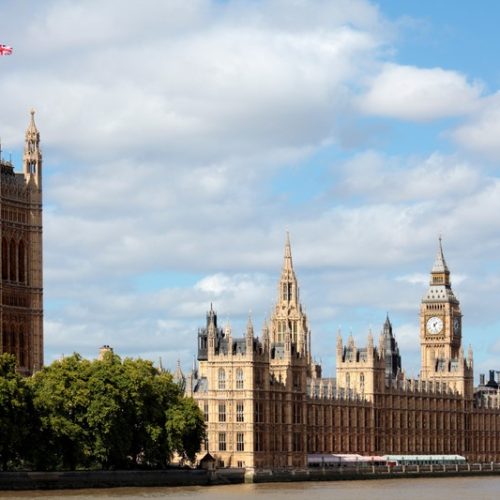
The Chancellor’s Spring Statement, presented to Parliament 3 March 2026, was packed with political content that has no real impact for UK taxpayers, business owners or employees. The substance of her presentation was a summary of the Office for Budget Responsibility (OBR) Economic and fiscal outlook released on the same date.
Our summary that follows highlights the main points of the OBR statement and adds our reflections on the possible effects these plans will have on future UK taxation policy.
It is also worth mentioning that if the present unrest in the Middle East continues, these forecasts may become untenable.
What the OBR outlook means for you and future taxation
Following the Chancellor’s Spring Statement, the OBR has published its Economic and fiscal outlook: March 2026. While the document is technical, it provides an important signal about the direction of the UK economy and, crucially, the future shape of the tax system.
This briefing summarises the key items and explains what they may mean for individuals, business owners and investors over the next few years.
The wider economic picture
The OBR expects the UK economy to grow slowly in the near term, before improving modestly later in the decade. Economic growth is forecast to be around 1.1 per cent in 2026, rising to an average of around 1.6 per cent a year thereafter. This is weaker than historic norms and reflects long-standing issues such as low productivity, growth and an ageing workforce.
Inflation is expected to continue falling and move closer to the Bank of England’s 2 per cent target by late 2026. This should help ease pressure on household finances, but it also reduces the pace at which tax revenues naturally increase through wage and price growth.
The overall message is that the economy is stable, but not strong. That matters because government tax receipts depend heavily on economic growth.
The state of the public finances
Government borrowing is forecast to fall gradually over the coming years. Public sector borrowing is expected to decline from just over 5 per cent of GDP in 2024–25 to around 1.6 per cent of GDP by 2030–31. This improvement is largely driven by a high tax take and steady economic growth, rather than major reductions in public spending.
Public sector net debt remains high, stabilising at around 95 per cent of GDP. This is historically elevated and leaves the public finances sensitive to shocks such as higher interest rates or weaker growth.
For taxpayers, this matters because high debt limits the government’s room to cut taxes. Even modest economic setbacks could quickly put pressure back on borrowing.
What this means for future taxation
The OBR does not set tax policy, but its forecasts strongly influence government decisions. The outlook points to several important themes for future taxation.
First, the overall tax burden is expected to remain high. Tax receipts as a share of the economy are close to post-war highs and are forecast to stay there. This suggests that meaningful, broad-based tax cuts are unlikely in the near term.
Secondly, much of the recent increase in tax revenue has come from so-called fiscal drag. Income Tax thresholds have been frozen, meaning that as wages rise, more income is taxed at higher rates. Although inflation is easing, this effect will continue as long as thresholds remain unchanged.
For individuals, this means that effective tax rates may continue to rise even if headline rates do not change. More people are likely to be drawn into higher and additional rate bands over time.
Income Tax and National Insurance
The outlook reinforces the likelihood that Income Tax and National Insurance will remain the government’s most reliable sources of revenue. These taxes are broad-based, predictable and relatively difficult to avoid.
While large increases in headline rates appear unlikely, continued freezes to allowances and thresholds remain a realistic option. Over time, this increases the tax burden on earned income without the need for explicit tax rises.
For employees and directors, this underlines the importance of reviewing remuneration structures, including the balance between salary, dividends and pension contributions, to ensure tax efficiency within the rules.
Business taxation
Corporation Tax receipts remain strong following the increase in the main rate in recent years. The OBR forecasts suggest that business taxes will continue to play a significant role in supporting the public finances.
Given the constraints on public spending and the need for stable revenues, there may be limited appetite for significant reductions in business taxes. Instead, future changes are more likely to focus on reliefs, allowances and compliance measures.
Businesses should expect continued scrutiny of reliefs and incentives, alongside a focus on timely reporting and accurate tax compliance.
Capital taxes and wealth
Although the OBR does not focus heavily on capital taxes in this outlook, the broader fiscal context is important. High public debt and long-term spending pressures increase the likelihood of further reform to taxes on capital and wealth.
Capital Gains Tax, Inheritance Tax and property-related taxes are all areas where governments may seek additional revenue without raising Income Tax rates. This may take the form of rate changes, allowance reductions, or restrictions on reliefs rather than entirely new taxes.
For individuals with significant assets, this reinforces the importance of forward planning, particularly around asset disposals, succession and estate planning.
Long-term pressures and ageing
The OBR highlights the growing cost of an ageing population, particularly in relation to health, social care and pensions. These pressures increase over time and extend beyond the current forecast period.
Unless public spending is reduced or restructured, higher revenues will be required in the long term. This suggests that future tax policy will increasingly focus on sustainability rather than short-term incentives.
From a planning perspective, this points towards a tax environment where reliefs and allowances may become more restricted, and where long-term strategies are preferable to reactive decisions.
Uncertainty and risk
The OBR places significant emphasis on uncertainty. Geopolitical risks, energy prices, productivity trends and labour market changes could all materially affect the outlook.
If the economy underperforms, the government may need to respond quickly. Historically, this has often involved tax measures introduced at relatively short notice. This reinforces the value of regular reviews and keeping tax planning flexible.
What clients should take away
The key message from the OBR outlook is not that major tax rises are imminent, but that the scope for tax cuts is limited. The UK is likely to remain a relatively high-tax economy for the foreseeable future.
Incremental changes, rather than dramatic reforms, are the most likely path. Threshold freezes, relief adjustments and targeted measures are expected to remain central tools of tax policy.
For individuals and businesses, this makes proactive planning essential. Understanding how existing rules apply, making use of available reliefs, and reviewing structures regularly can make a meaningful difference over time.
If you would like to discuss how these trends may affect your personal or business circumstances, we would be happy to help you review your position and plan ahead.

HMRC online services allow individuals, businesses and agents to manage tax matters securely over the internet. Using an HMRC online account, you can send information such as self-assessment tax returns or VAT registration applications, view important records like your business or personal tax account and make payments online.
To access these services, you will need to ensure you have set up an account with HMRC. If you do not already have sign-in details, you can easily create them. HMRC provides three types of online services accounts: individual accounts, organisation accounts and accounts for agents.
An individual account lets you set up a Personal Tax Account where you can complete tasks such as checking your Income Tax estimate and tax code, updating personal details and claiming tax refunds. You can also register for self-assessment if you need to report income from sources such as property or investments. The same sign-in details can be used for both services.
Organisation accounts are for businesses and trusts. A business tax account allows sole traders, partnerships and limited companies to register for self-assessment (if self-employed), VAT, PAYE and Corporation Tax, depending on what is required.
A number of HMRC services use a separate sign-in process, including excise, import and export services, childcare accounts and for reporting Capital Gains Tax on UK property.

The term “silver economy” is used to describe the growing economic activity linked to an ageing population. In the UK and across much of the developed world, people are living longer, healthier lives. This demographic shift is reshaping consumer demand, labour markets, and public policy, and it is creating both challenges and opportunities for businesses.
By 2040, nearly one in four people in the UK is expected to be aged 65 or over. Unlike previous generations, many older adults have higher levels of wealth, remain active for longer, and expect products and services that support independence, wellbeing, and quality of life. This has driven growth in sectors such as healthcare, home adaptations, financial planning, leisure, and technology designed for ease of use rather than novelty.
Financial services are also evolving. As people spend more years in retirement, there is greater focus on retirement planning, later-life lending, equity release, and inheritance planning. Businesses that can offer clear, trusted advice in these areas are well placed to benefit.
Importantly, the silver economy is not just about consumption. Many older individuals continue to work, volunteer, or run businesses well beyond traditional retirement age. Flexible working, part-time roles, and consultancy work allow experience and skills to remain within the economy for longer.
For policymakers and businesses alike, the key challenge is to adapt. Those who recognise the diversity, spending power, and contribution of older generations will find that the silver economy is not a burden, but a significant and growing source of economic value.
